
Table of Contents
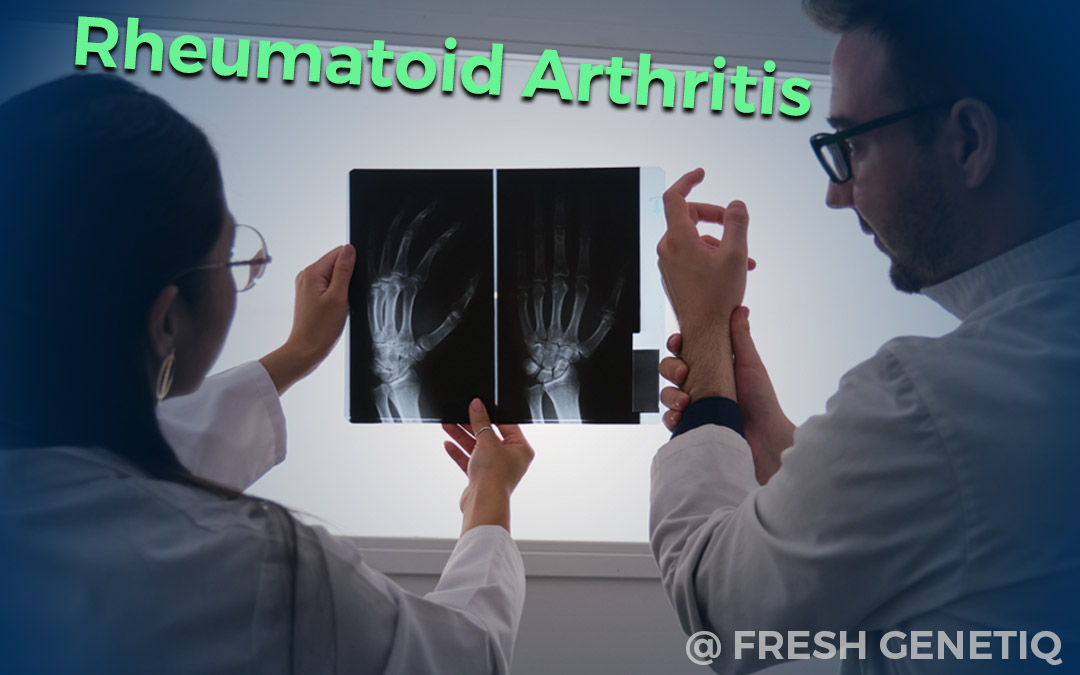
Rheumatoid Arthritis Statistics
- 60% of people with inadequately treated rheumatoid arthritis are unable to work 10 years after onset.
- Rheumatoid arthritis affects 1% of the global population, with women being affected more often than men.
- Certain lifestyle factors like smoking, obesity and environmental exposures can increase the risk of rheumatoid arthritis.
- Rheumatoid arthritis increases the risk of heart attack and stroke by 60%, 1 year after diagnosis.
- Infection may be responsible for 25% of deaths in people with rheumatoid arthritis.
- Depression is 2 times as likely to occur in patients diagnosed with rheumatoid arthritis.
Conventional Treatment for Rheumatoid Arthritis
Conventional treatment options aim to control inflammation, relieve pain, and reduce disability. However, few medications actually change the course of the disease. Non-steroidal anti-inflammatories and disease-modifying agents can provide some relief but may have significant side effects. Biologics and steroids are also used, and surgeries such as joint replacement or fusion may be performed. Occupational and physical therapy can help as well.
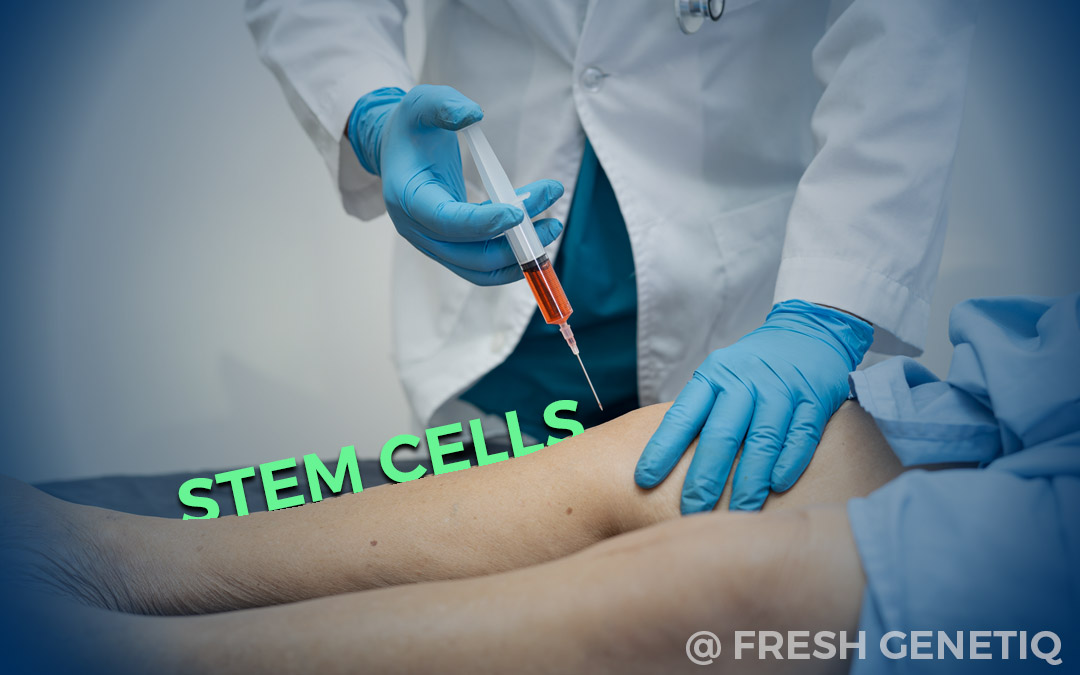
MSC Stem Cell Therapy for Rheumatoid Arthritis
MSC stem cell therapy for rheumatoid arthritis represents a new paradigm in non-operative treatment. It offers the potential to repair and regenerate damaged tissue while providing relief and improving functionality. This low-risk outpatient treatment has shown remarkable effectiveness worldwide. The typical approach involves a combination of intravenous and focal injections of stem cells derived from umbilical cords.
How does MSC stem cell therapy work for rheumatoid arthritis?
There are several proposed mechanisms, with paracrine signaling being the most prominent. Stem cells communicate with other cells in the body, promoting new blood flow, reducing cell death, and modulating the immune system. This therapy can bring oxygen and nutrients to damaged areas, as well as mitigate the body’s autoimmune response.
Multiple studies have demonstrated the effectiveness of stem cell therapy for rheumatoid arthritis. For example, one study involving 172 patients who had tried conservative therapies showed that combining umbilical cord stem cells with disease-modifying agents induced significant remission of the disease. Other studies with intravenous infusion of stem cells also reported decreased inflammatory markers and symptomatic improvements over time.
What kind of MSC stem cells work for rheumatoid arthritis?
The use of human umbilical cord mesenchymal stem cells (HUMSCs) is preferred due to their safety profile and absence of adverse effects seen with other types of stem cells. These stem cells are obtained from an FDA-regulated lab and have been used successfully in over 15,000 procedures. It’s important to note that adult stem cells, like those from umbilical cords, are the current standard, while embryonic and induced pluripotent stem cells are not recommended.
MSC stem cells derived from human umbilical cord (HUMSCs) are recommended for rheumatoid arthritis
In conclusion, stem cell therapy for rheumatoid arthritis offers a safe and highly effective alternative treatment. With significant improvements in symptoms and reduced inflammation, it has the potential to change the course of the disease. If you’re interested in this therapy, our international treatment program can provide a free phone consultation and assist you with travel logistics. Our umbilical cord stem cells have a high viability rate, ensuring their potency and effectiveness.
Related Articles

Medicine Is Shifting From Science to Engineering by Raw DNA Data
For most of human history, medicine has followed the scientific method.
A patient presents symptoms.
A clinician forms a hypothesis.
A treatment is tested.
Weeks pass.
Results are evaluated.
Adjustments are made.
This approach has saved lives, but it is also inherently slow, reactive, and based on trial and error.
Today, for the first time in history, medicine is beginning to change.
It’s moving away from pure experimentation — and toward engineering.
That shift has major implications for preventive health, mental health, and how we make decisions before problems escalate.
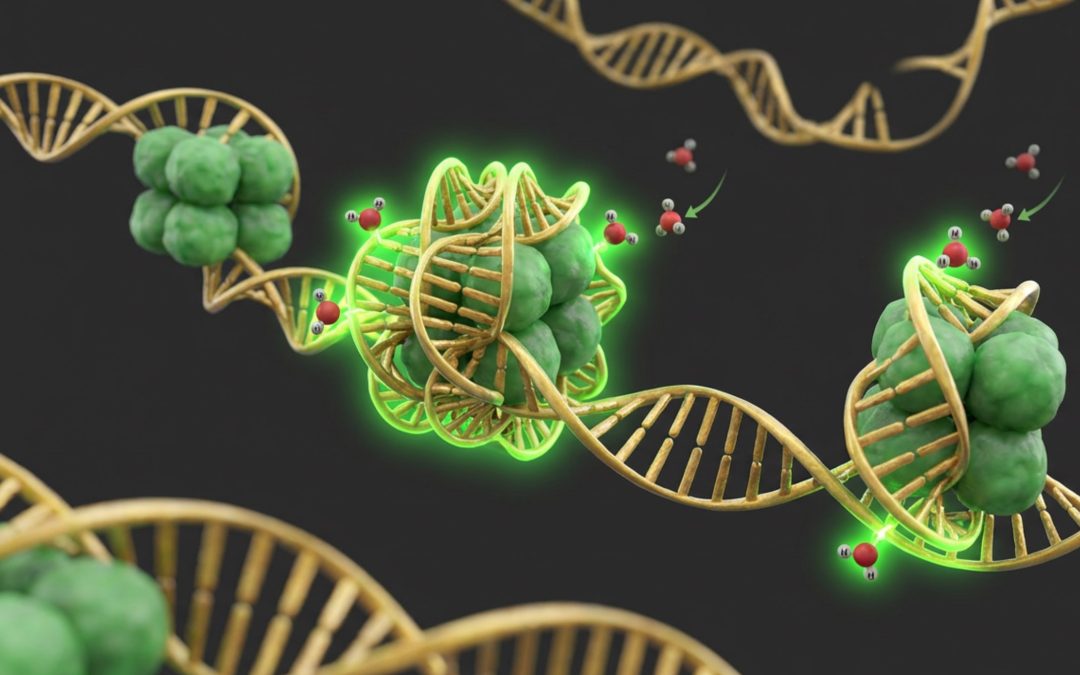
If You Understand Methylation, You Understand Genetics
You’ve probably heard the phrase, “Genetic methylation turns genes on and off.”
It sounds important — but it’s rarely explained in a way that actually makes sense.
So let’s simplify what methylation really is, why it matters, and why understanding it gives you a much clearer picture of how your genetics actually function in real life.

Proteins vs Peptides: How DNA Explains the Difference
Most people assume proteins and peptides are basically the same thing.
And in a way, they are.
Both proteins and peptides are made from amino acids.
But the difference between them — and why that difference matters — comes down to structure, size, and function.
More importantly, both proteins and peptides start from the same place: your DNA.
GET UPDATED!
Join Our Newsletter, Get Exclusive Offers!