
Table of Contents
5. VIDEO – How Stem Cells Work
How Stem Cells Are Created & Transformed
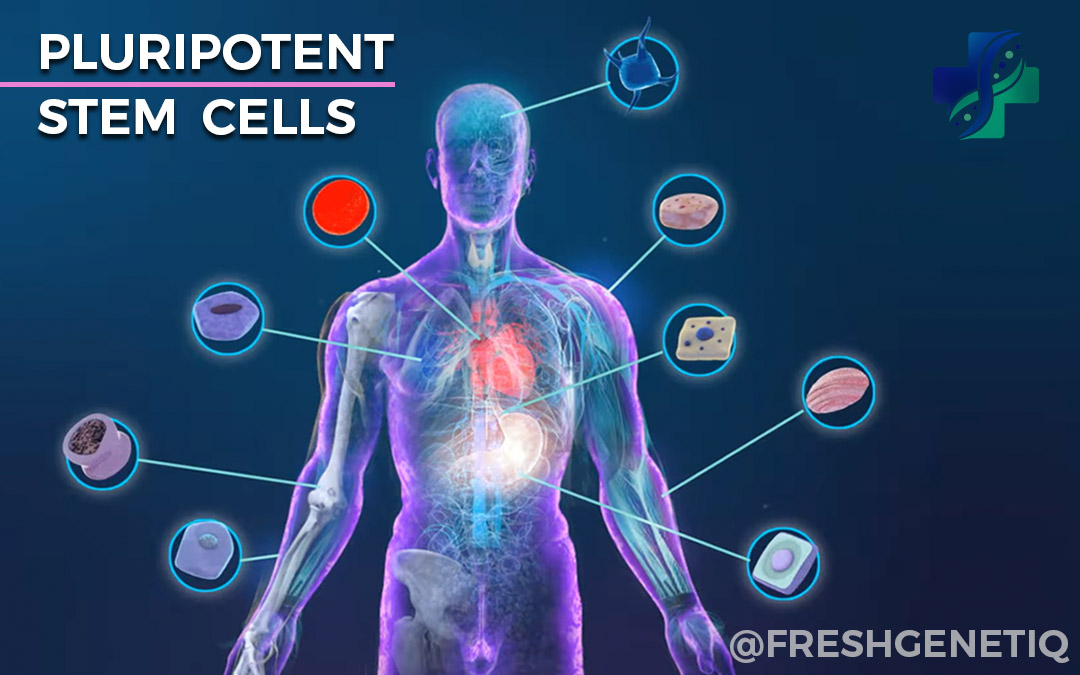
In the early stages of embryo development, stem cells are created! These remarkable cells possess the incredible ability to differentiate into various tissues within our bodies. Initially known as Pluripotent Stem Cells, they hold the potential to become any cell type.
However, as development progresses, stem cells quickly become specialized and transform into tissue-specific stem cells. These specialized cells can only contribute to the specific tissue in which they reside.
For example, stem cells in the brain exclusively produce new brain cells, while those in the gut generate gut cells. Remarkably, almost every organ in our body contains a small population of these tissue-specific stem cells.
How Stem Cells Age & Impact Functionality
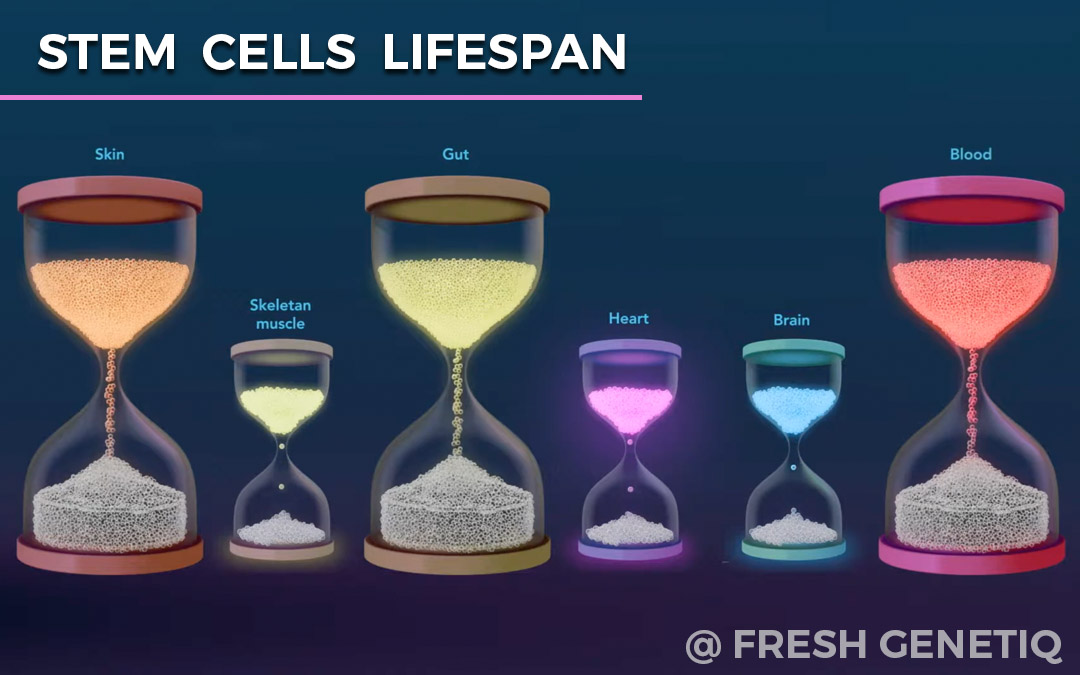
In the natural course of our lives, many cells within our tissues die either at the end of their lifespan or due to injury. The lifespan of cells varies across different tissues, with some cells living for an extended period and others having a much shorter lifespan.
For instance, cells in the heart, skeletal muscle, brain, and eye lens have a long lifespan, while cells in the skin, gut, and blood have a short lifespan.
Tissue-specific stem cells play a vital role in the continuous renewal of damaged cells. They act as nature’s own anti-aging mechanism, ensuring that tissues do not age prematurely and facilitating the repair process.
However, as we age, the functionality of these stem cells declines, resulting in reduced tissue functionality. This can manifest as slower wound healing, decreased blood cell production, and increased vulnerability to infections or anemia.
Stem Cell Damage That Can Impact Our Lifespan
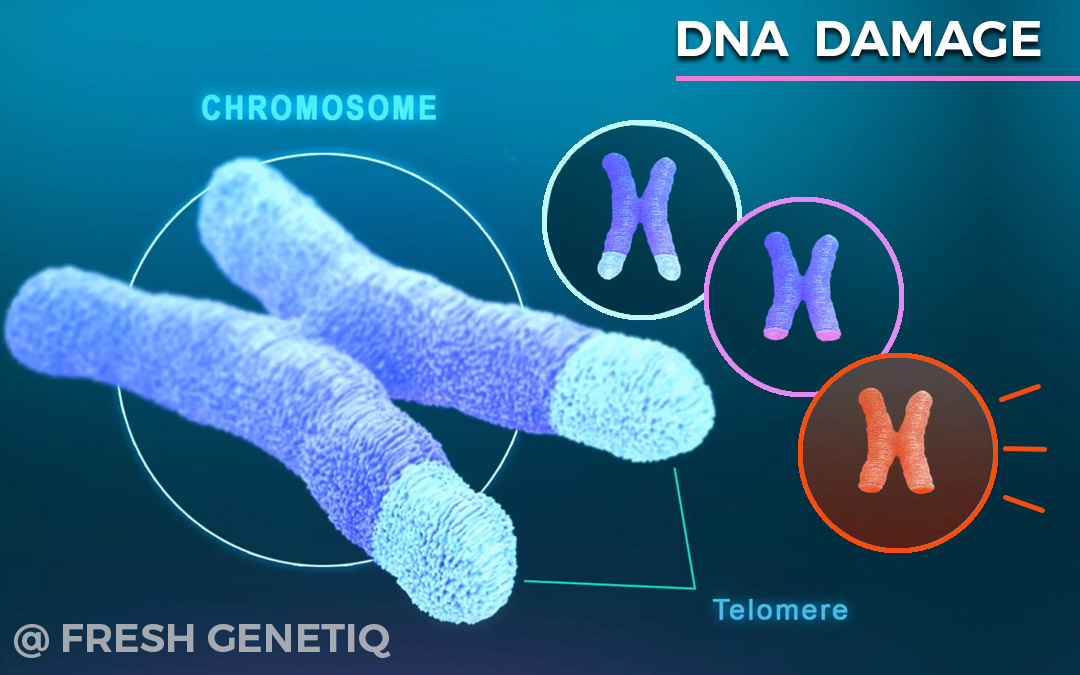
One of the primary factors influencing stem cell functionality is DNA damage. Stem cells replicate their DNA during cell division, and damaged DNA negatively affects their ability to function properly.
Patients with diseases that cause increased DNA damage often experience difficulties in tissue regeneration and exhibit premature aging symptoms.
Another crucial aspect of stem cell aging is the shortening of telomeres, the protective caps at the ends of chromosomes. With each cell division, telomeres gradually shorten. When telomeres become too short, stem cells can no longer divide effectively.
Stem Cell Therapy As Regenerative Medicine
While there may be other factors contributing to the decline of stem cell function with age, stem cell therapy offers a promising solution.
Mesenchymal stem cells (MSC), a type of pluripotent stem cell, have the remarkable ability to lengthen telomeres, rejuvenate cellular health, and regenerate damaged tissue. This therapy holds the potential to extend our lifespan and enhance our overall well-being.
Stem cell therapy is administered intravenously (IV) or injected locally depending on the application. Prior to stem cell therapy, patients must be screened for potentially adverse side-effects from the treatment. Once approved, patients can proceed with stem cell treatments and experience positive effects within 4-6 weeks.
Stem cell therapy is a regenerative treatment that can fix the root causes of health problems. Consult with our certified stem cell specialists at FRESH GENETIQ, to see if stem cell therapy is right for you.
How Stem Cells Work – VIDEO
Related Articles
Medicine Is Shifting From Science to Engineering by Raw DNA Data
For most of human history, medicine has followed the scientific method.
A patient presents symptoms.
A clinician forms a hypothesis.
A treatment is tested.
Weeks pass.
Results are evaluated.
Adjustments are made.
This approach has saved lives, but it is also inherently slow, reactive, and based on trial and error.
Today, for the first time in history, medicine is beginning to change.
It’s moving away from pure experimentation — and toward engineering.
That shift has major implications for preventive health, mental health, and how we make decisions before problems escalate.
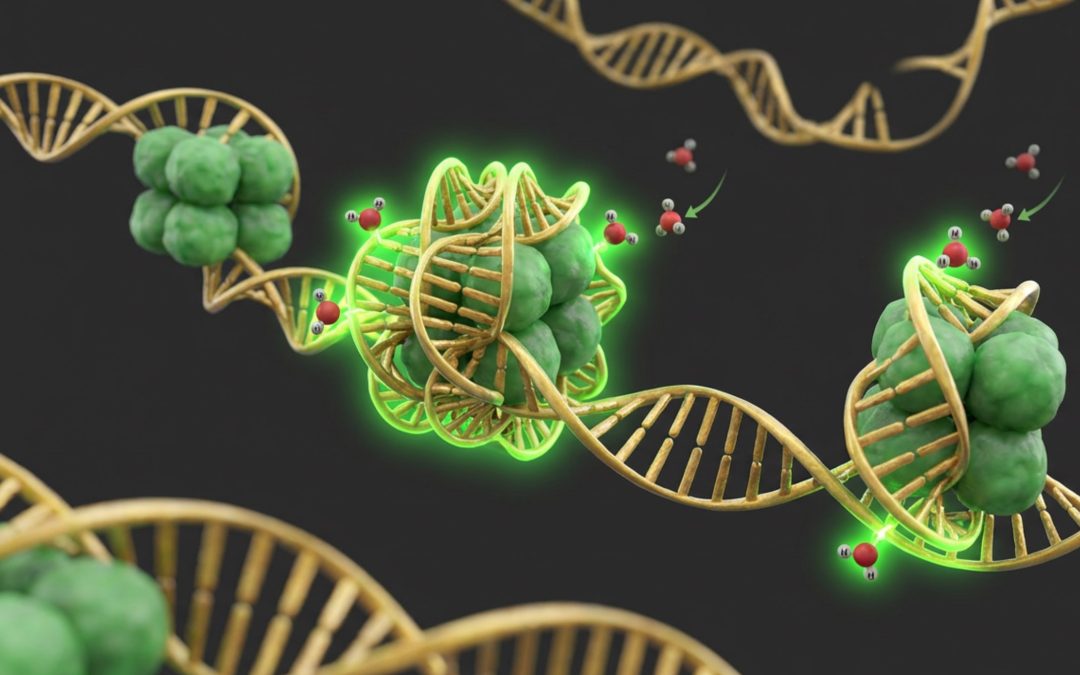
If You Understand Methylation, You Understand Genetics
You’ve probably heard the phrase, “Genetic methylation turns genes on and off.”
It sounds important — but it’s rarely explained in a way that actually makes sense.
So let’s simplify what methylation really is, why it matters, and why understanding it gives you a much clearer picture of how your genetics actually function in real life.

Proteins vs Peptides: How DNA Explains the Difference
Most people assume proteins and peptides are basically the same thing.
And in a way, they are.
Both proteins and peptides are made from amino acids.
But the difference between them — and why that difference matters — comes down to structure, size, and function.
More importantly, both proteins and peptides start from the same place: your DNA.
GET UPDATED!
Join Our Newsletter, Get Exclusive Offers!