
Table of Contents
3. What is Stem Cell Therapy?
4. How PRP is Different than Stem Cell Therapy
5. The Role of PRP in Stem Cell Activation
6. PRP Compliments Stem Cell Therapy
7. VIDEO – How PRP Works
What is PRP?
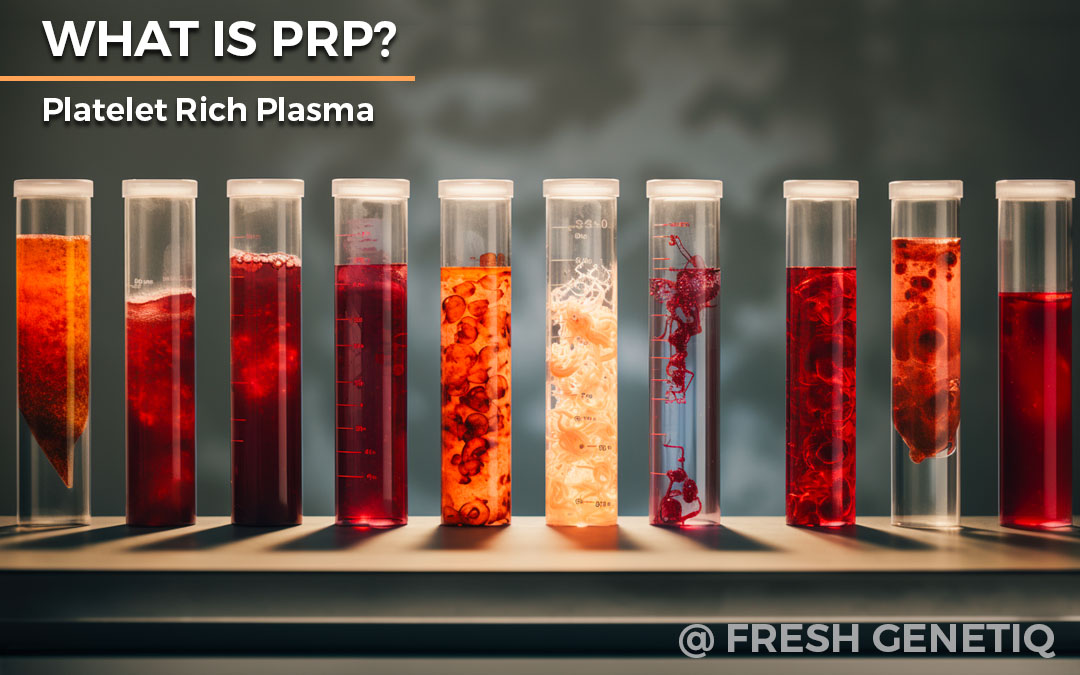
PRP stands for Platelet-Rich Plasma. This treatment has gained immense popularity in the realm of regenerative medicine. However, there is often confusion when distinguishing between stem cell therapy and PRP therapy. Both of these treatments are effective, but they serve different purposes and have distinct characteristics.
Platelet-Rich Plasma (PRP) is a groundbreaking treatment derived directly from a patient’s own blood. When blood is centrifuged, it separates into different components, with PRP being rich in platelets – the very cells responsible for clotting and tissue healing. This concentrated plasma contains more platelets than what is typically found in blood, turning it into a potent therapeutic agent.
PRP also carries a lot of growth factors and proteins essential for cell repair and regeneration. Unlike other treatments that might introduce foreign substances or agents into the body, PRP is autologous, meaning it comes from the patient’s own body, minimizing risks of allergic reactions or complications. This natural essence of PRP makes it an increasingly sought-after treatment in various medical fields, from orthopedics and sports medicine to cosmetic procedures and hair regrowth. Its ability to promote faster healing and reduce inflammation is making PRP an essential tool in the arsenal of regenerative medicine.
The PRP Process
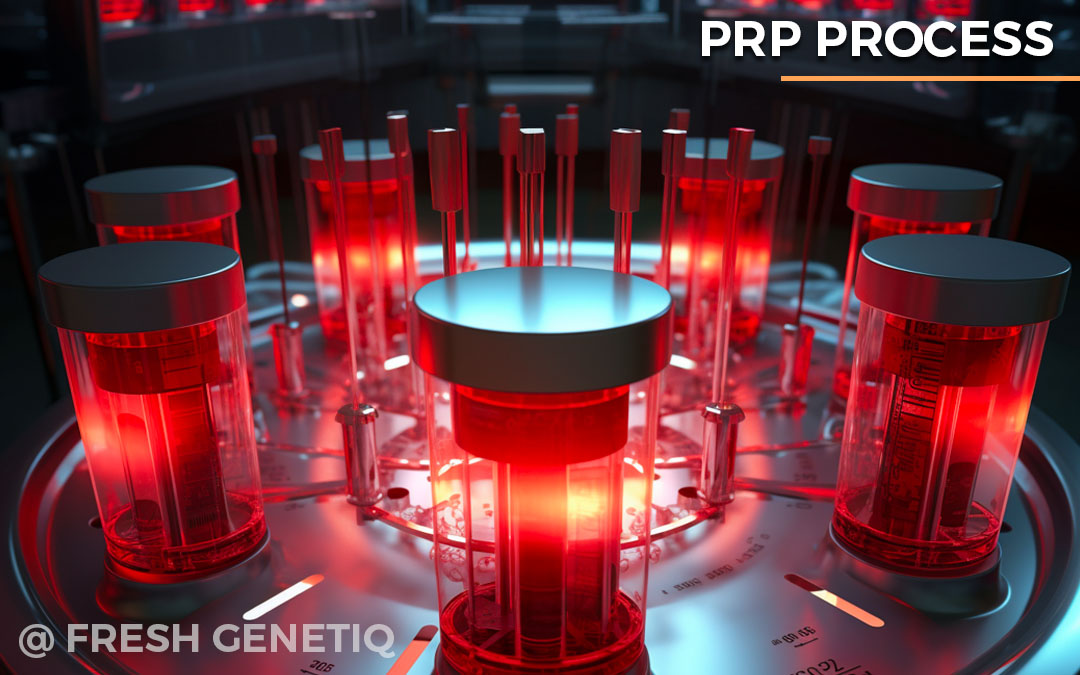
To make PRP, a sample of blood is drawn from the patient’s arm. This could be anywhere from 30cc to 60cc. This blood is then placed into a test tube or a special kit and centrifuged or spun. This machine spins the blood rapidly for about 12 to 15 minutes, leading to the separation of the blood into three separate layers:
PRP Top Layer: Also known as the platelet-poor or plasma layer, this light yellow-colored fluid has very few cells. It’s not beneficial when injected into areas like an arthritic knee, so it’s usually discarded.
PRP Bottom Layer: This layer is primarily composed of red blood cells. While red blood cells play a vital role in our bodily functions, they aren’t useful for tissue regeneration. Hence, this layer is also discarded.
PRP Middle Layer: The real magic lies in this layer, known as the Buffy coat. This layer contains a dense concentration of platelets, growth factors, and white blood cells. It’s interesting to note that there are no stem cells in this layer. However, the growth factors present not only aid in tissue repair and regeneration but also play a crucial role in cell-to-cell communication.
What is Stem Cell Therapy?
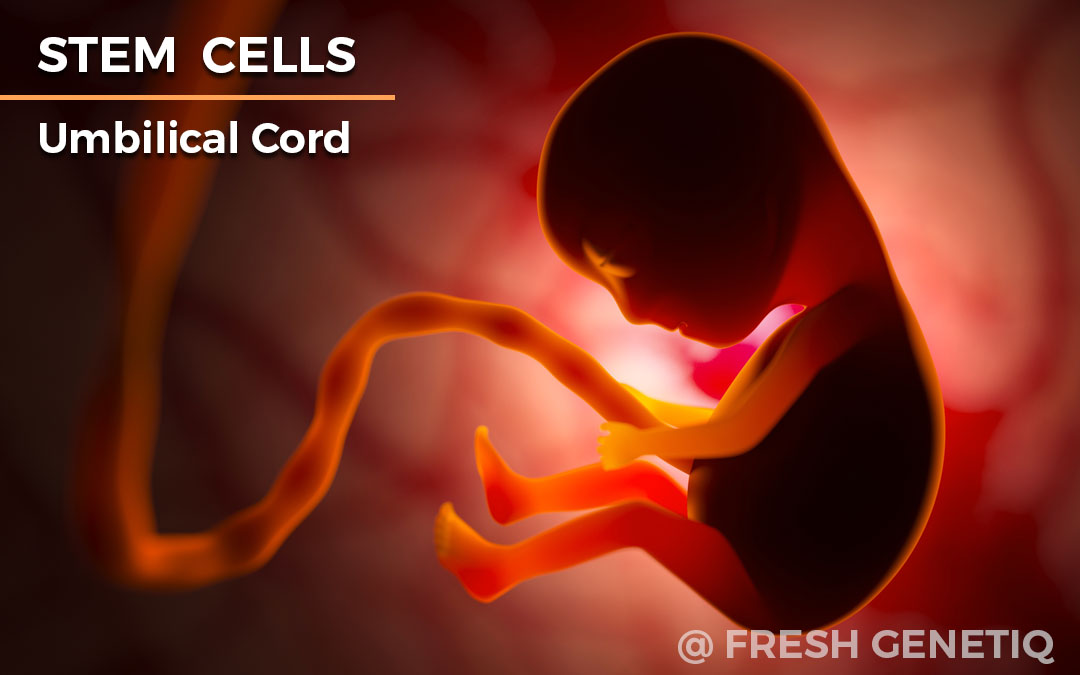
Stem cell therapy is at the forefront of regenerative medicine, utilizing the unique properties of stem cells to repair and regenerate damaged tissues. Specifically, MSC (Mesenchymal Stem Cells) derived from human umbilical cords have gained attention for their potent regenerative capabilities.
Stem cells are sourced from donors who undergo rigorous health screening to ensure the utmost safety and effectiveness of the harvested cells. The inherent ability of these stem cells to differentiate into a variety of cell types and promote healing provides potential treatments for many conditions, making them a valuable tool in regenerative medicine.
How PRP is Different than Stem Cell Therapy
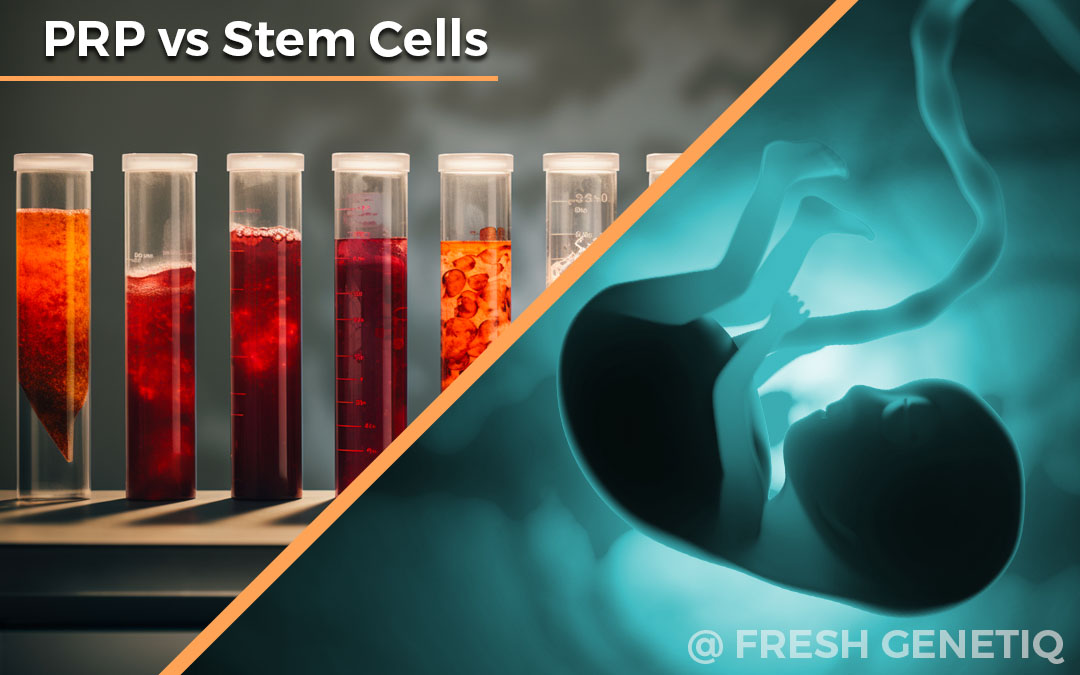
While both PRP and stem cell therapy are pivotal players in regenerative medicine, they are rooted in different mechanisms and sources. PRP is derived directly from a patient’s own blood and is concentrated with platelets and growth factors, essential for tissue repair and rejuvenation.
On the other hand, stem cells are derived from human umbilical cords of screened donors. So, while PRP leverages your body’s intrinsic healing properties, stem cell therapy introduces external but highly compatible cells to boost regeneration and repair. Both approaches have their distinct advantages, and understanding their individual benefits and sources can aid in making informed therapeutic choices.
The Role of PRP in Stem Cell Activation
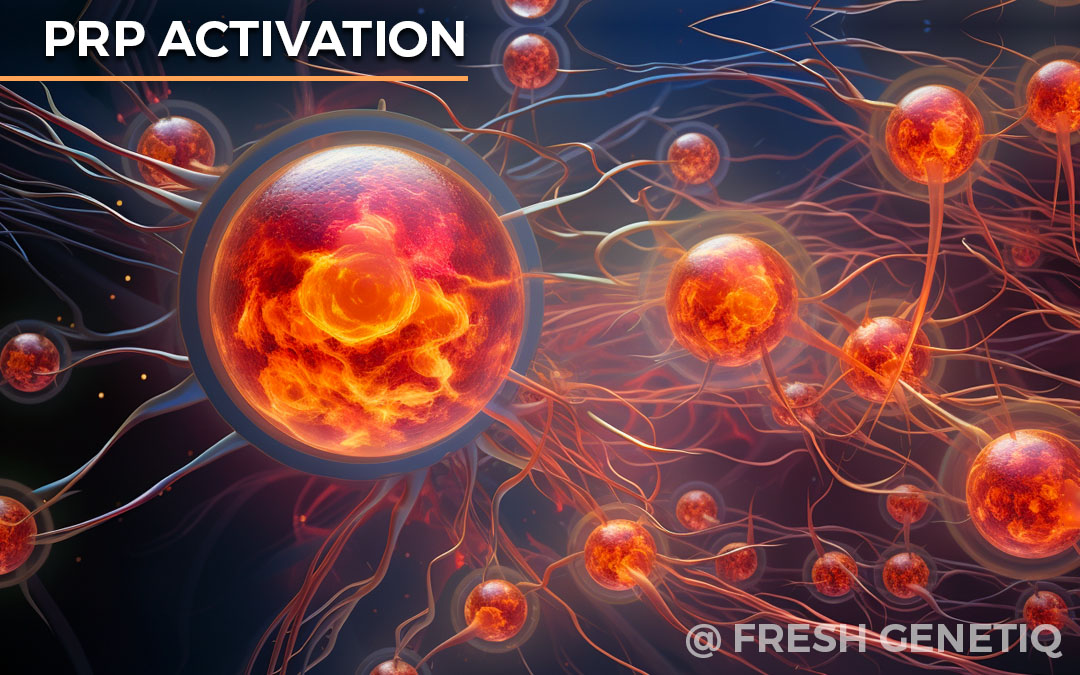
When PRP is introduced into a specific area, like an arthritic knee, it communicates with the body, signaling the need for assistance and recruiting stem cells. In this sense, PRP acts as a stem cell activation treatment. It directly addresses the problem and also mobilizes the body’s stem cells to the affected area. While PRP therapy is not stem cell therapy in the truest sense, it can be seen as stem cell activation therapy.
PRP is often injected before stem cell therapy to activate the body’s natural process of signaling resident stem cells to the treatment area. Once MSC stem cells are injected after PRP, the PRP acts as a signaling beacon, directing these newly introduced stem cells to the precise location of treatment.
PRP Compliments Stem Cell Therapy
In essence, PRP offers a natural avenue for tissue repair by harnessing the power within our own blood. When combined with stem cell therapy, PRP stands out as a distinct, yet complementary treatment that can activate our body’s innate healing capabilities.
As the realm of regenerative treatments continues to evolve, making an informed decision is crucial. We invite you to consult with our team online, where we’re ready to guide you further and offer a free quotation tailored to your needs. Begin your regeneration journey with us today!
How PRP Works – VIDEO
Related Articles
Medicine Is Shifting From Science to Engineering by Raw DNA Data
For most of human history, medicine has followed the scientific method.
A patient presents symptoms.
A clinician forms a hypothesis.
A treatment is tested.
Weeks pass.
Results are evaluated.
Adjustments are made.
This approach has saved lives, but it is also inherently slow, reactive, and based on trial and error.
Today, for the first time in history, medicine is beginning to change.
It’s moving away from pure experimentation — and toward engineering.
That shift has major implications for preventive health, mental health, and how we make decisions before problems escalate.
If You Understand Methylation, You Understand Genetics
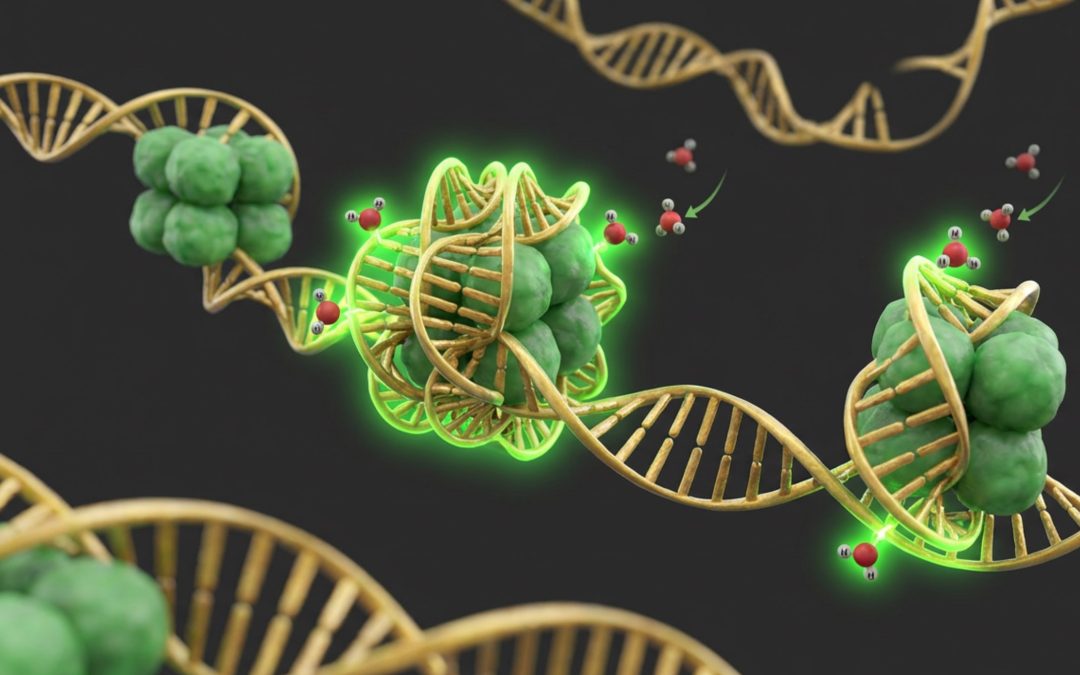
You’ve probably heard the phrase, “Genetic methylation turns genes on and off.”
It sounds important — but it’s rarely explained in a way that actually makes sense.
So let’s simplify what methylation really is, why it matters, and why understanding it gives you a much clearer picture of how your genetics actually function in real life.

Proteins vs Peptides: How DNA Explains the Difference
Most people assume proteins and peptides are basically the same thing.
And in a way, they are.
Both proteins and peptides are made from amino acids.
But the difference between them — and why that difference matters — comes down to structure, size, and function.
More importantly, both proteins and peptides start from the same place: your DNA.
GET UPDATED!
Join Our Newsletter, Get Exclusive Offers!