
Table of Contents
1. The Role of NAD+
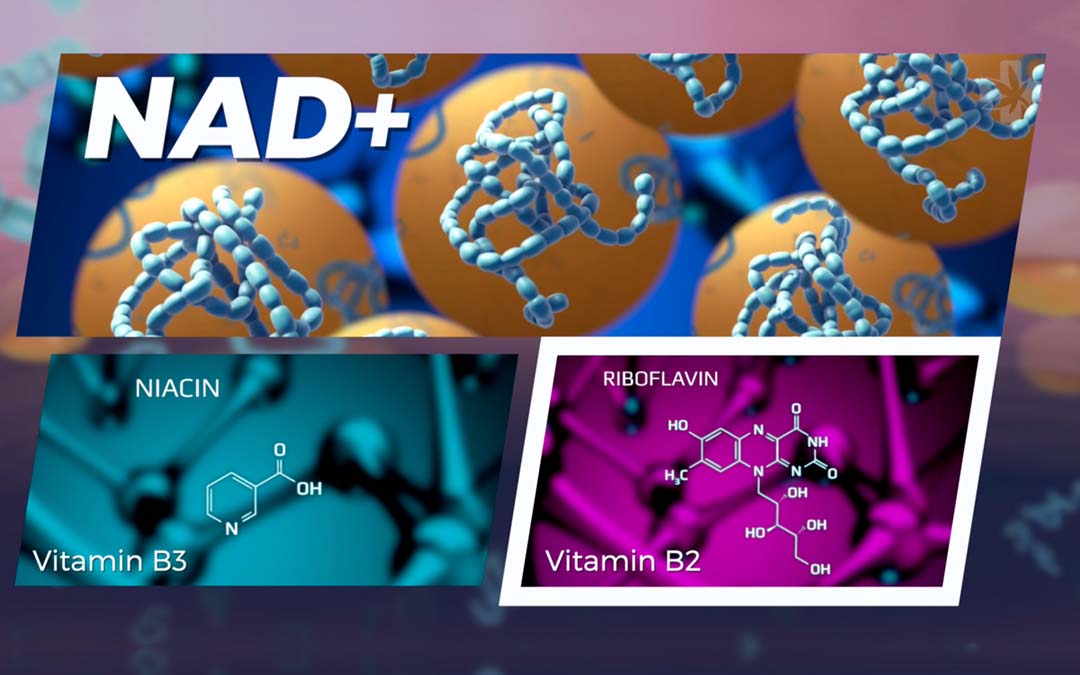
The Role of NAD+
NAD+ is a natural molecule synthesized from vitamin B2 (riboflavin) and vitamin B3 (niacin) within the cell’s cytoplasm. The cytoplasm is a jelly-like substance that contains many cellular components and is the environment of which cellular synthesis takes place.
Once synthesized, NAD+ takes an important journey to the Golgi apparatus, where it interacts with nutrients from our diet, such as fats, lipids, sugars, and carbohydrates. As NAD+ continues to function, it eventually transforms into NADH, the reduced form of NAD+.
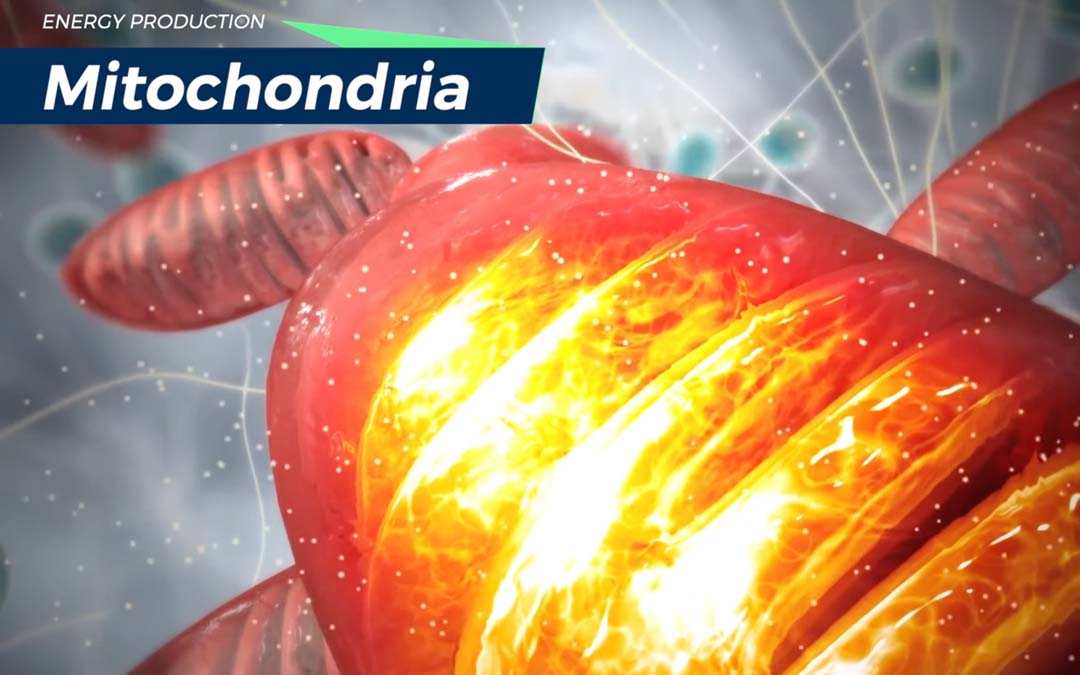
The Powerhouse of the Cell: Mitochondria
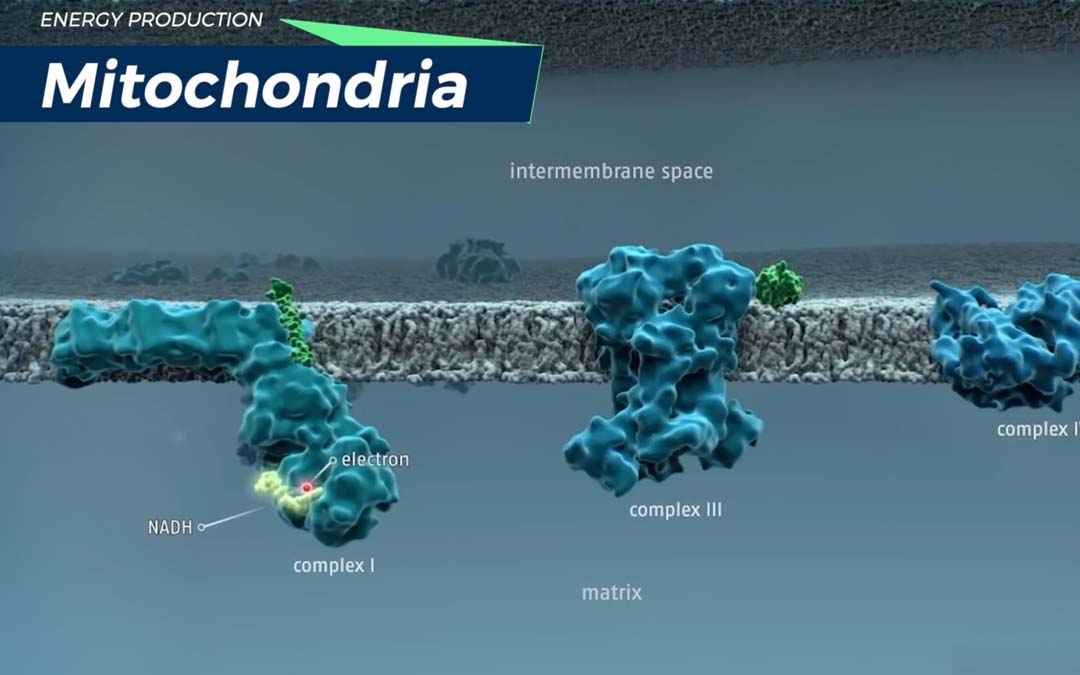
NADH, now ready to energize, proceeds to the mitochondria, the cellular powerhouses responsible for ATP energy production. Mitochondria consists of an outer membrane and an inner membrane, with the intermembrane space existing between them.
Within the intermembrane space, NADH becomes a key player in the energy production process. It transports nutrients and high-energy electrons to the outer mitochondrial membrane, where the mitochondria efficiently convert them into ATP energy—the life force that fuels our cells.
The Significance of NAD+ in Cellular Health
In essence, NAD+ acts as a cellular courier, delivering vital nutrients to the mitochondria, where the magic of ATP energy production occurs. Therefore, healthy supplementation of NAD+ can rejuvenate our cells and optimize energy production, leading to longer lives and an enhanced quality of life.
How NAD+ Works In Energy Production – VIDEO
Related Articles
Medicine Is Shifting From Science to Engineering by Raw DNA Data
For most of human history, medicine has followed the scientific method.
A patient presents symptoms.
A clinician forms a hypothesis.
A treatment is tested.
Weeks pass.
Results are evaluated.
Adjustments are made.
This approach has saved lives, but it is also inherently slow, reactive, and based on trial and error.
Today, for the first time in history, medicine is beginning to change.
It’s moving away from pure experimentation — and toward engineering.
That shift has major implications for preventive health, mental health, and how we make decisions before problems escalate.
If You Understand Methylation, You Understand Genetics
You’ve probably heard the phrase, “Genetic methylation turns genes on and off.”
It sounds important — but it’s rarely explained in a way that actually makes sense.
So let’s simplify what methylation really is, why it matters, and why understanding it gives you a much clearer picture of how your genetics actually function in real life.

Proteins vs Peptides: How DNA Explains the Difference
Most people assume proteins and peptides are basically the same thing.
And in a way, they are.
Both proteins and peptides are made from amino acids.
But the difference between them — and why that difference matters — comes down to structure, size, and function.
More importantly, both proteins and peptides start from the same place: your DNA.
GET UPDATED!
Join Our Newsletter, Get Exclusive Offers!