

Article Summary
- Metabolism is the balance between two processes: catabolism, which breaks things down, and anabolism, which builds things up.
- Your DNA influences how efficiently these metabolic processes work, affecting energy, hormones, brain chemistry, and recovery.
- Metabolism impacts far more than weight, including detoxification, blood sugar, cholesterol, inflammation, and mental health.
- Genetic differences explain why metabolism is unique and why generic health advice often fails.
- Genetic testing provides context for understanding your metabolism and making more targeted, long-term health decisions.
What Metabolism Really Is: Breaking Down and Building Up
The easiest way to understand metabolism is to think of it as two internal superheroes working inside your body.
One superhero’s job is to break things down.
The other superhero’s job is to build things up.
They’re different, but they’re not in conflict. They work as a team — constantly, quietly, and automatically — every second of your life.
The “breakdown” superhero, called Catabolism, takes the food you eat and dismantles it into usable pieces: nutrients, molecules, and compounds your body can actually work with.
The “build-up” superhero, called Anabolism, then takes those pieces and uses them to create energy, hormones, neurotransmitters, tissues, and cells.
Catabolism + Anabolism = Metabolism
When both superheroes are balanced and efficient, your body runs smoothly.
And here’s the key point: your DNA influences how strong and efficient each of those superheroes is — which affects how well your metabolism works overall.

How Genetics Influences Metabolism at a Cellular Level
Let’s look at a practical example.
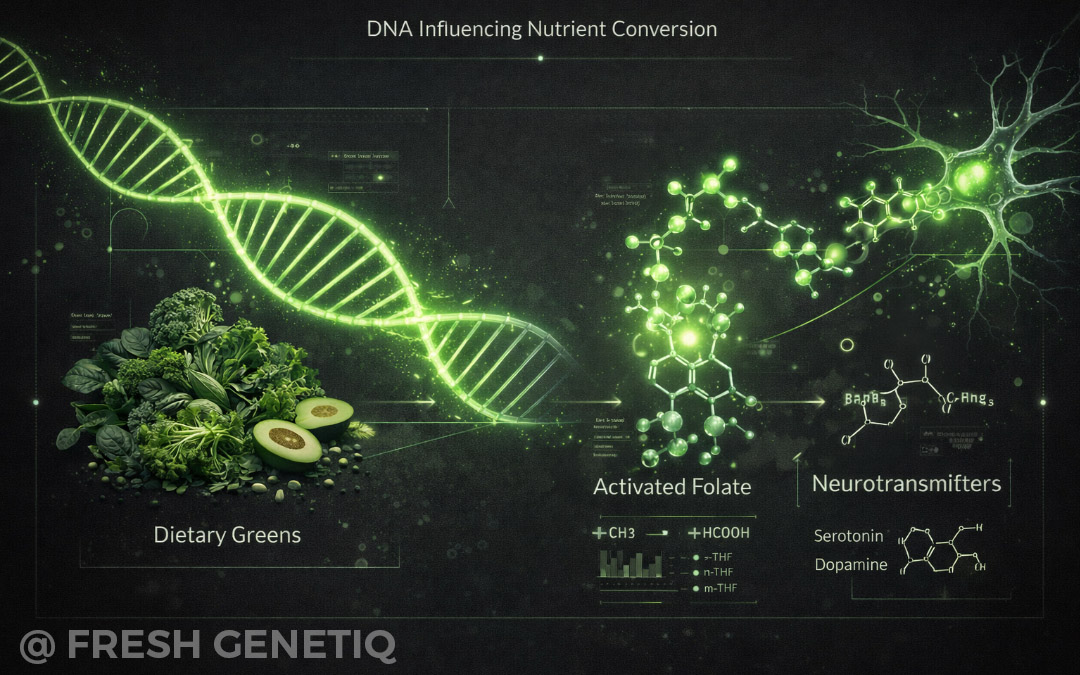
When you eat leafy green vegetables, you’re consuming folate in its dietary form.
But your body doesn’t use folate in that raw form.
Your DNA determines how efficiently that folate is converted into its active form.
This conversion process is driven by specific genetic pathways, including those related to MTHFR gene function.
That’s the “breakdown” side of metabolism.
Once that conversion happens, your body can then use activated folate to build critical compounds — including neurotransmitters like serotonin and dopamine that impact our mental health.
That’s the “build-up” side of metabolism.
Those neurotransmitters directly influence mood, focus, motivation, stress resilience, and overall mental well-being.
This is metabolism in action — not calories, not weight loss trends, but real biochemical function.
Metabolism Affects Far More Than Energy and Weight
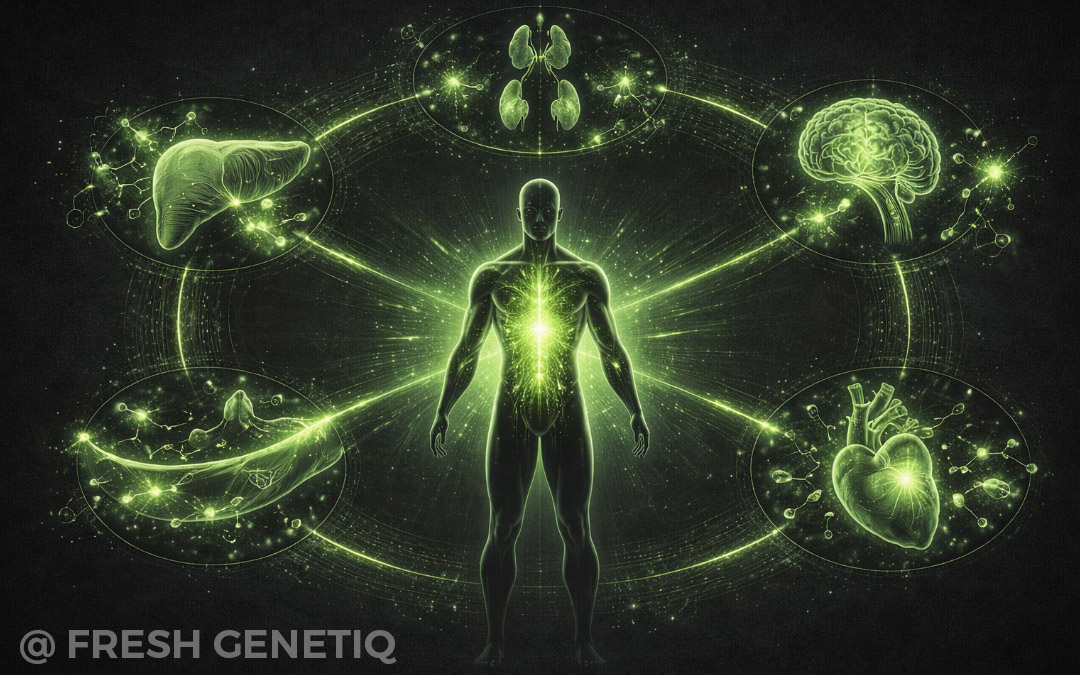
Metabolism applies to nearly every major system in the body, including:
- Liver detoxification pathways
- Hormone production and balance
- Blood sugar regulation
- Blood pressure control
- Cholesterol metabolism
- Inflammation management
- Brain chemistry and mental health
When metabolism is inefficient or genetically mismatched to your lifestyle, problems don’t always show up as weight gain.
They often show up as:
- Chronic fatigue
- Brain fog
- Mood instability
- Poor stress tolerance
- Difficulty recovering from exercise
- Inconsistent blood biomarkers
These are metabolic signals — not character flaws or lack of discipline.
Why Your Metabolism Is Unique
No two people share the same metabolic blueprint.
Your genetics influence:
- How you process carbohydrates and fats
- How efficiently you clear toxins
- How sensitive you are to blood sugar spikes
- How your body handles stress hormones
- How well your brain produces neurotransmitters
This is why one-size-fits-all health advice fails so often.
What supports one person’s metabolism may actively work against another’s.

Why Genetic Testing Matters for Metabolic Health
Genetic testing helps outline your unique metabolic tendencies.
It doesn’t diagnose disease or predict your future.
Instead, it provides context.
Context allows you to:
- Choose foods that align with your metabolism
- Support detox and nutrient pathways intelligently
- Interpret blood work more accurately
- Make lifestyle decisions that fit your biology
Rather than guessing or experimenting endlessly, genetics gives you a clearer starting point.
The Big Picture
Metabolism isn’t just about how much you weigh.
It’s about how your body processes, converts, builds, and maintains balance across every system.
And because your DNA doesn’t change, understanding your metabolism at the genetic level gives you insight you can use for a lifetime.
That’s why genetic testing matters.
It helps you understand how your body actually works — not how it’s supposed to work according to generic advice.
Related Articles

Medicine Is Shifting From Science to Engineering by Raw DNA Data
For most of human history, medicine has followed the scientific method.
A patient presents symptoms.
A clinician forms a hypothesis.
A treatment is tested.
Weeks pass.
Results are evaluated.
Adjustments are made.
This approach has saved lives, but it is also inherently slow, reactive, and based on trial and error.
Today, for the first time in history, medicine is beginning to change.
It’s moving away from pure experimentation — and toward engineering.
That shift has major implications for preventive health, mental health, and how we make decisions before problems escalate.
If You Understand Methylation, You Understand Genetics
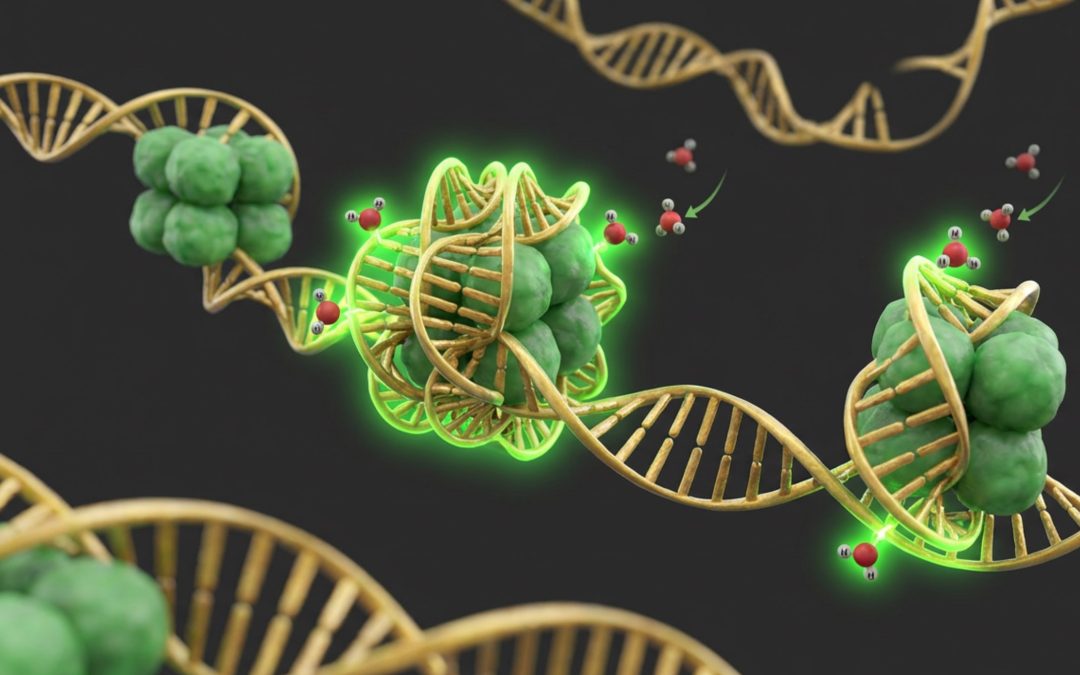
You’ve probably heard the phrase, “Genetic methylation turns genes on and off.”
It sounds important — but it’s rarely explained in a way that actually makes sense.
So let’s simplify what methylation really is, why it matters, and why understanding it gives you a much clearer picture of how your genetics actually function in real life.

Proteins vs Peptides: How DNA Explains the Difference
Most people assume proteins and peptides are basically the same thing.
And in a way, they are.
Both proteins and peptides are made from amino acids.
But the difference between them — and why that difference matters — comes down to structure, size, and function.
More importantly, both proteins and peptides start from the same place: your DNA.