
Table of Contents
7. MSC Stem Cell Therapy for Chronic Kidney Disease
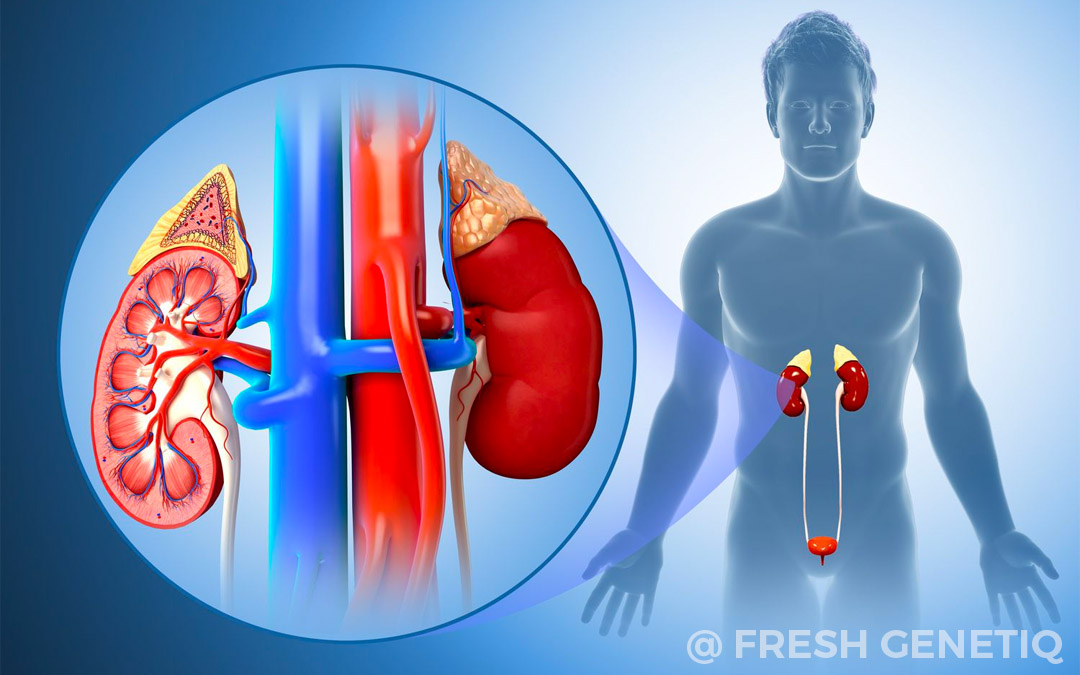
The Role of Kidneys in Our System
Before we dive into the intricacies of kidney disease, let’s take a moment to appreciate the diverse roles of these bean-shaped organs:
- Filtering out waste and excess fluid.
- Balancing bodily fluids and removing drugs.
- Releasing hormones pivotal for blood pressure regulation.
- Producing an active vitamin D form, fortifying our bones.
- Overseeing red blood cell production.
The Silent Onset of Chronic Kidney Disease
A healthy kidney tirelessly filters about 200 liters of blood daily. Yet, with the rise of lifestyle diseases, kidney function compromise is becoming increasingly prevalent. It’s concerning to note that high blood pressure and diabetes top the list of culprits behind kidney failures. Add to this the potential risks posed by certain medications and inherent genetic disorders like polycystic kidney disease.
Reflect on this: A staggering 13% of adults, both in the U.S. and Thailand, grapple with chronic kidney disease. For many, the decline is subtle, with tangible symptoms manifesting only when kidney functionality drops below 20%.
Chronic Kidney Disease: By the Numbers
- Over 10% of adults, roughly translating to 20 million in America and about 7 million in Thailand, are diagnosed with CKD.
- In the U.S., the repercussions are grim with 600,000 individuals dependent on dialysis and a further 100,000 in line for a transplant.
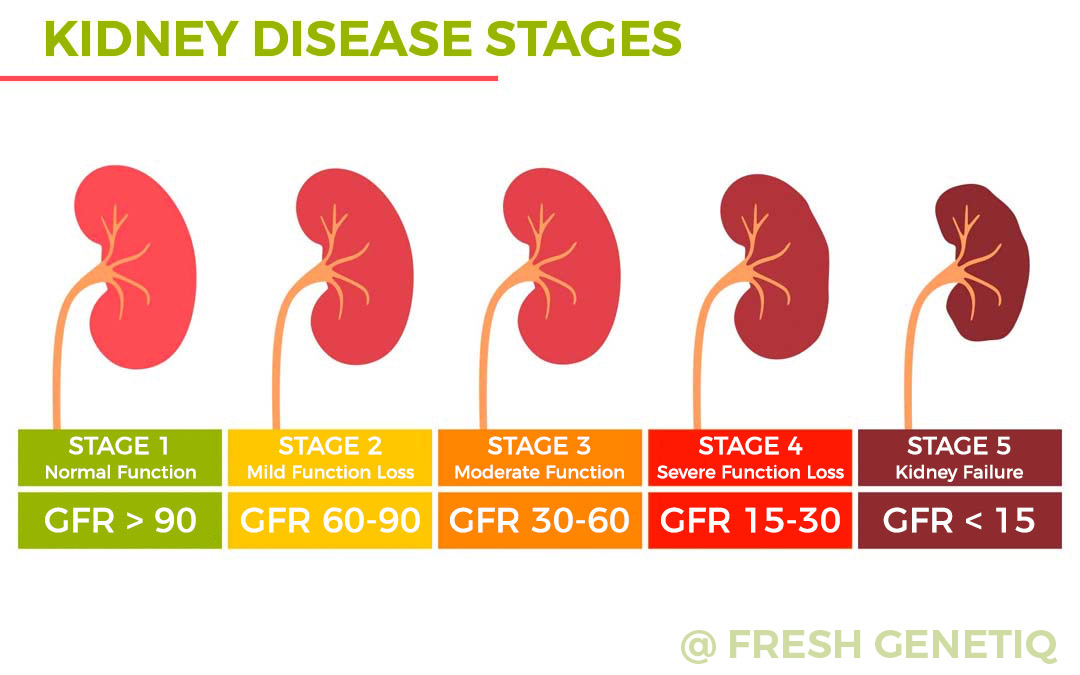
The Five Stages of Kidney Failure
Kidney functionality is measured by blood test results called Glomerular Filtration Rate (GFR).
Stage 1: Mild kidney failure (GFR > 90)
Stage 2: GFR between 60 and 90
Stage 3: GFR ranging from 30 to 60
Stage 4: A worrying GFR of 15 to 30
Stage 5: Complete kidney failure (GFR < 15)
Symptoms at this juncture are hard to ignore: persistent itching, muscle cramps, a general feeling of nausea, swelling, and even changes in urination patterns.

Conventional Approaches to Tackle Kidney Disease
Traditional routes often involve significant lifestyle shifts, like dietary modifications and increased physical activity. A plethora of medications targeting bone health, cholesterol levels, and blood pressure also come into play.
And then there’s dialysis, a lifeline for many, yet with an average lifespan of 5-10 years. Kidney transplants offer hope, but the wait can extend to an excruciating three and a half years.
Emergence of Stem Cell Therapy in Kidney Treatment
However, the landscape is shifting. Recent breakthroughs highlight the remarkable potential of stem cell therapies, especially mesenchymal stem cells, in treating kidney failure. These cells wield the power to:
- Reduce inflammation and fibrosis.
- Diminish cell death.
- Modulate immune system responses.
- Enhance blood flow.
Preliminary findings emphasize the importance of stem cell quantity in successful treatments. Normally, MSC stem cells are calculated based on your weight in kilograms (kg) using the guideline of 1 million MSCs per 1 kg of body weight.
Stem cell treatment usually involves intravenous (IV) injections. However, prior to introducing stem cells, essential nutrients and cellular preparations are recommended. Intravenous vitamin nutrition, such as Myer’s Cocktail, provides important vitamins and minerals to increase the rate of stem cell absorption and acceptance.
Blood testing and cancer screening are also important when considering stem cell therapy for chronic kidney disease. MSC stem cells are potent and have the ability to regenerate internal organs and potentially promote the growth of active cancer tumors. Therefore, it’s vital to work with trained medical professionals who can assess your health and take the proper course of action to mitigate any potential side effects.
Stem Cell Therapy Offers A New Horizon for Chronic Kidney Disease
With the power of MSC stem cell therapy, we’re on the cusp of potentially revolutionizing treatments for chronic kidney disease. If this intrigues you as much as it does us, join our journey into the realm of regenerative medicine. Let’s harness the potential of stem cell therapy and pave the way for a healthier future.
Related Articles

Medicine Is Shifting From Science to Engineering by Raw DNA Data
For most of human history, medicine has followed the scientific method.
A patient presents symptoms.
A clinician forms a hypothesis.
A treatment is tested.
Weeks pass.
Results are evaluated.
Adjustments are made.
This approach has saved lives, but it is also inherently slow, reactive, and based on trial and error.
Today, for the first time in history, medicine is beginning to change.
It’s moving away from pure experimentation — and toward engineering.
That shift has major implications for preventive health, mental health, and how we make decisions before problems escalate.
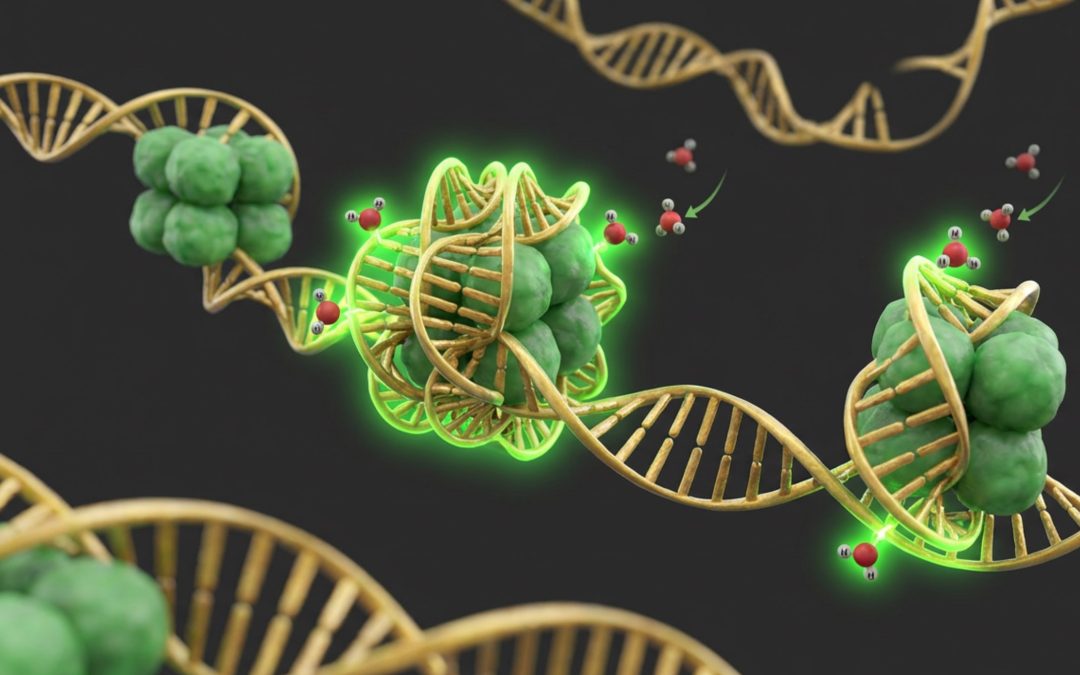
If You Understand Methylation, You Understand Genetics
You’ve probably heard the phrase, “Genetic methylation turns genes on and off.”
It sounds important — but it’s rarely explained in a way that actually makes sense.
So let’s simplify what methylation really is, why it matters, and why understanding it gives you a much clearer picture of how your genetics actually function in real life.

Proteins vs Peptides: How DNA Explains the Difference
Most people assume proteins and peptides are basically the same thing.
And in a way, they are.
Both proteins and peptides are made from amino acids.
But the difference between them — and why that difference matters — comes down to structure, size, and function.
More importantly, both proteins and peptides start from the same place: your DNA.
GET UPDATED!
Join Our Newsletter, Get Exclusive Offers!